
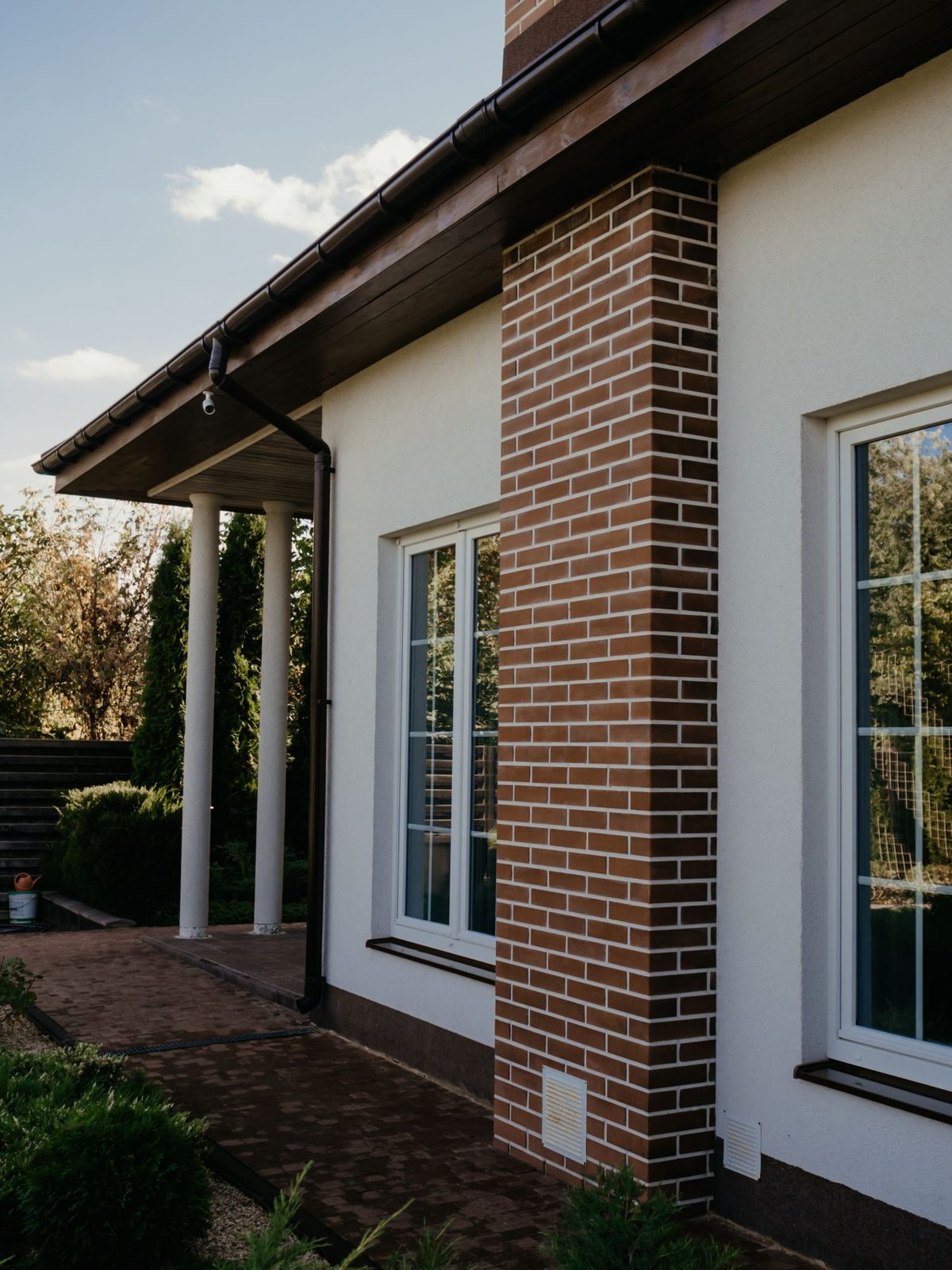
Casement
Side or top hung on friction stays, sealing on compression — push it shut and the gasket does the work. The default for most British openings, and the one that copes best with a reveal that is not quite square.
Windows / Made to measure
Four families, two materials, one process. Whichever you pick, the frame is cut to the sizes we measured off your house.
Free survey · North East England & Yorkshire
Explore the possibilitiesSide or top hung on friction stays, sealing on compression — push it shut and the gasket does the work. The default for most British openings, and the one that copes best with a reveal that is not quite square.
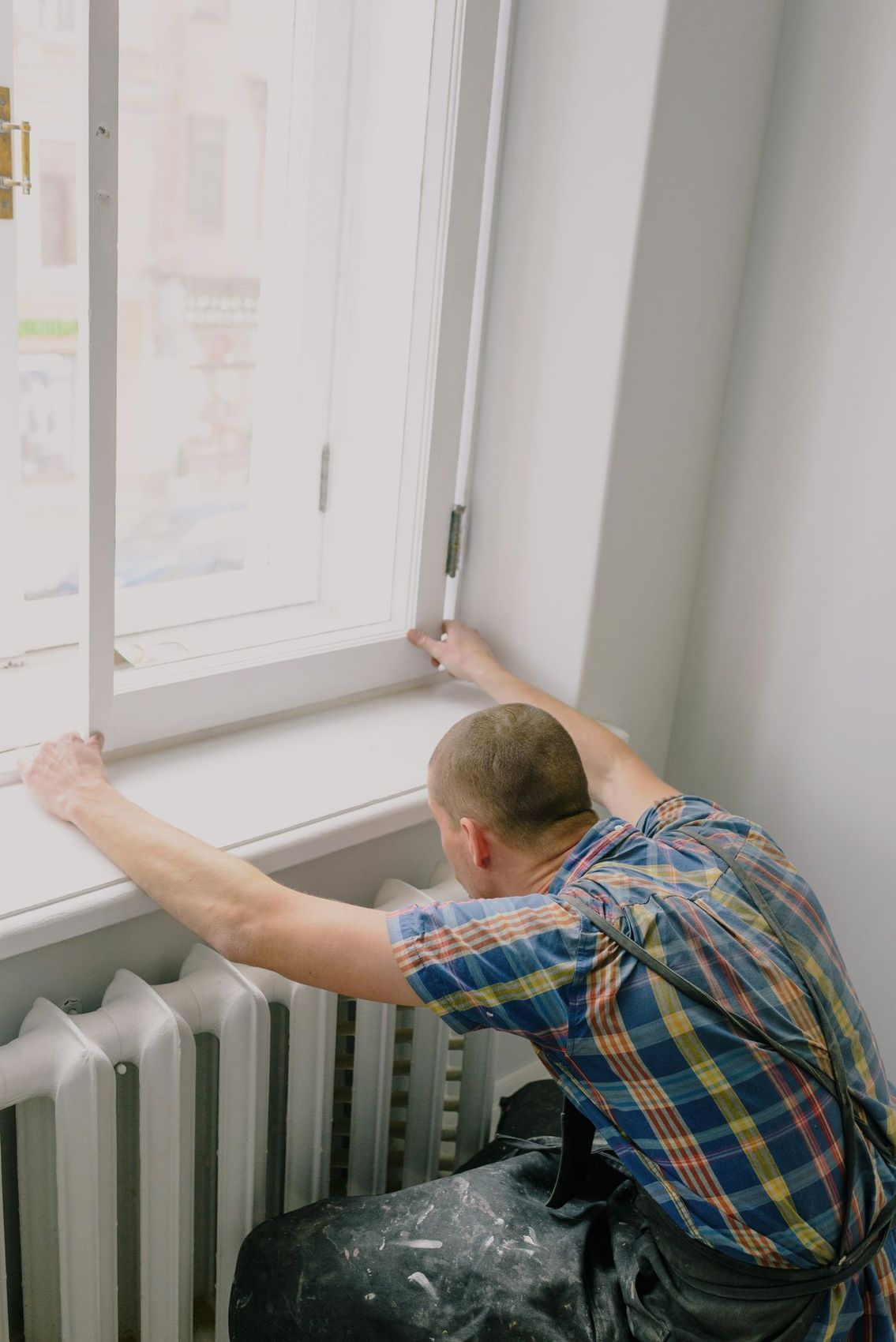
Tilts in at the top for background air, swings fully inward to clean. Worth the extra where the outside face is unreachable — above a conservatory roof, over a busy pavement, or three floors up.
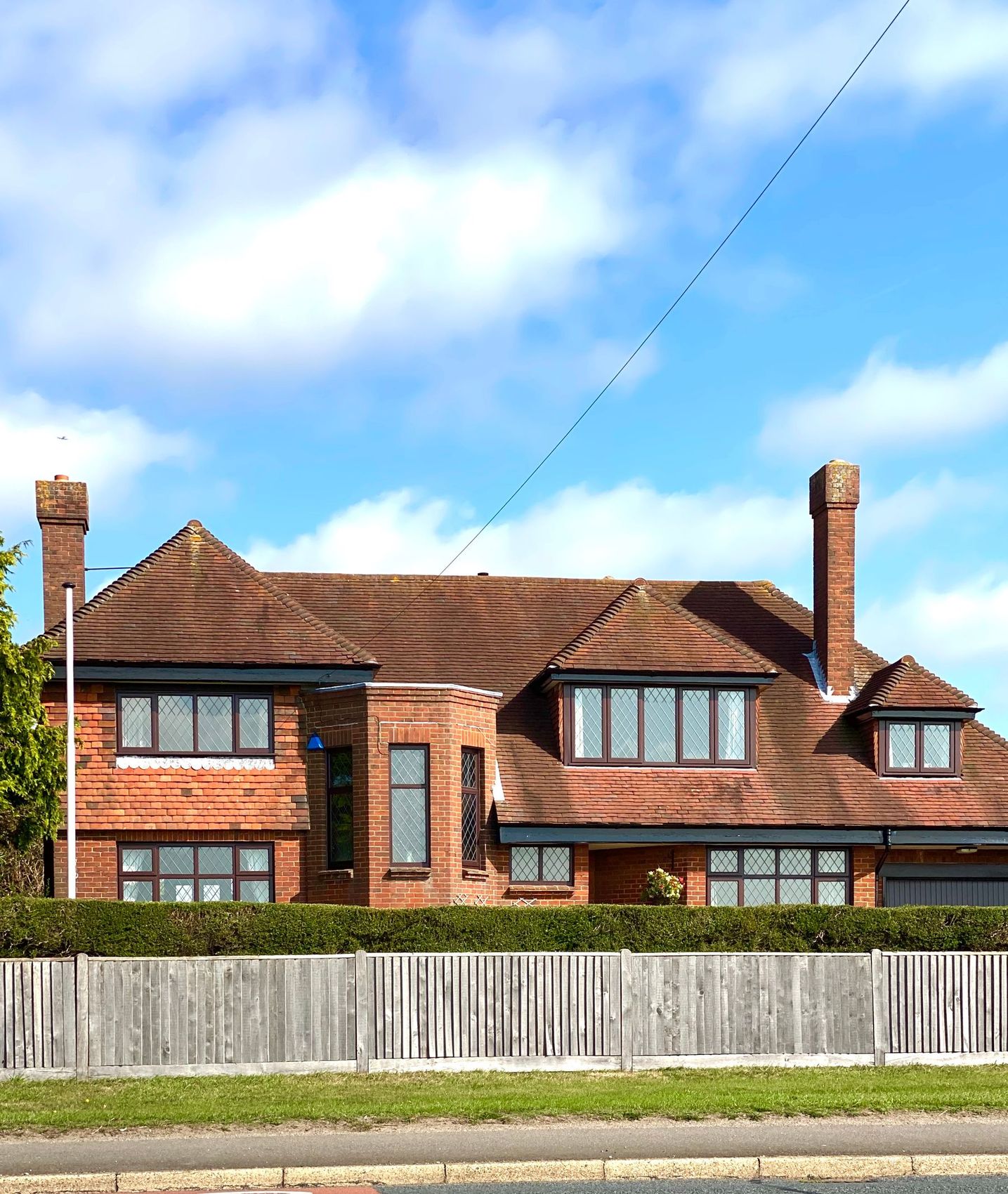
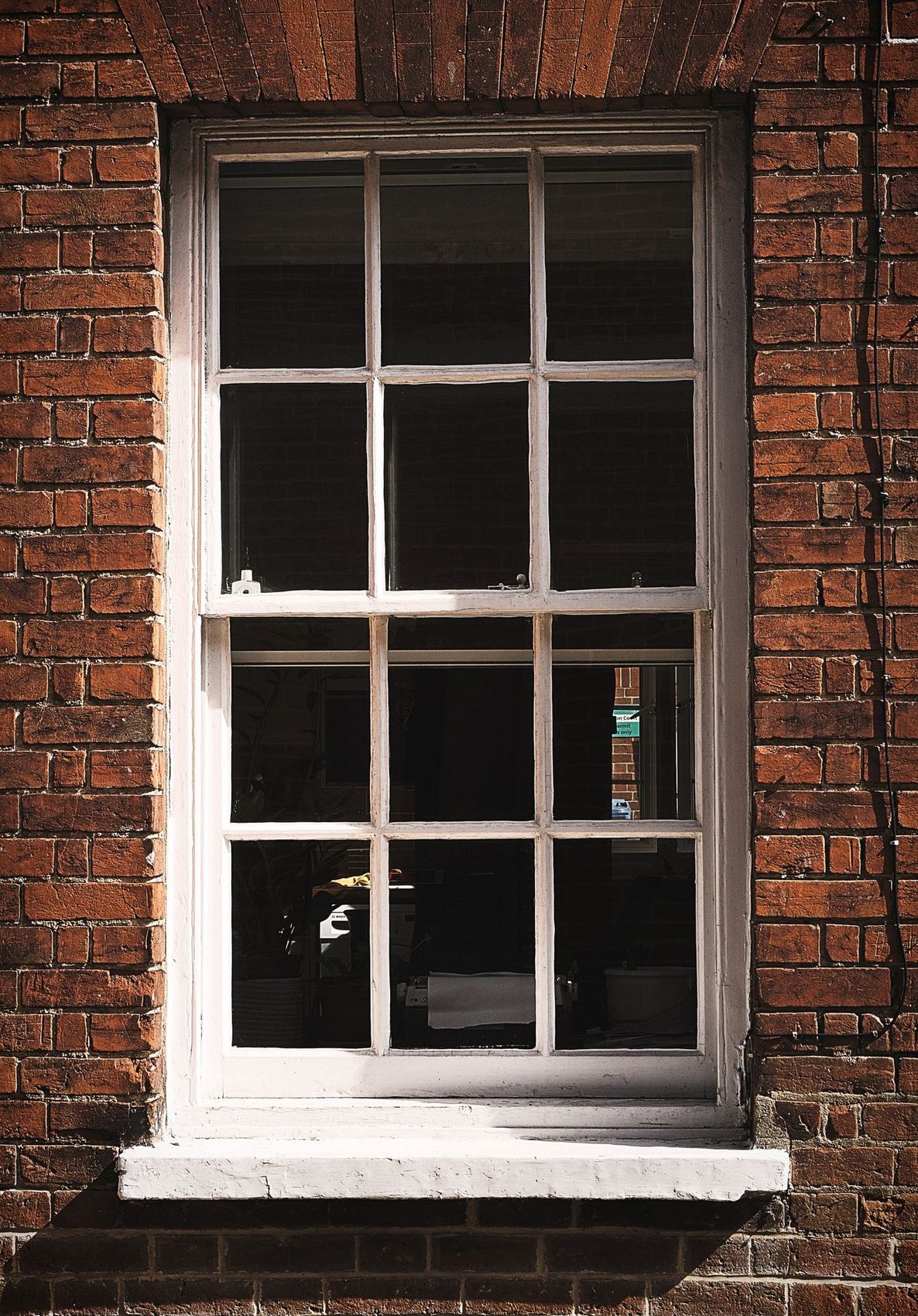
The opening sash sits flush with the frame face rather than standing proud, so from the pavement it reads like a painted timber window. The usual choice on stone frontages and in conservation areas.
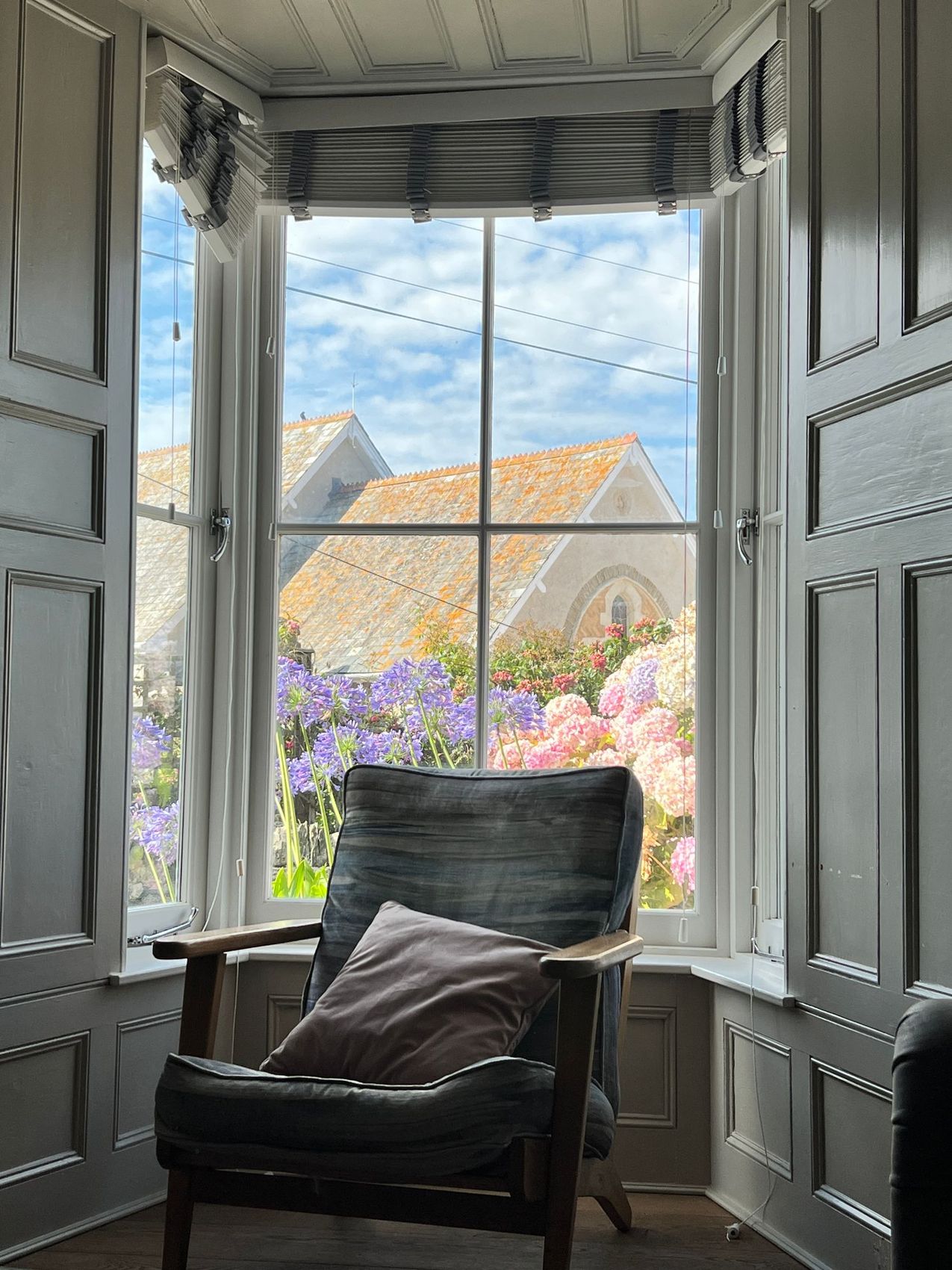
A sash window that genuinely slides, on balances rather than cords and weights, and tilts in to clean. For when the original box sash is past saving but the elevation still needs to read correctly.
03The bit nobody asks about
It is a hollow extrusion divided into chambers, and each chamber is a pocket of still air. Still air is a poor conductor, which is exactly what you want in the part of a window that is not glass.
The catch is that a hollow plastic box is not stiff enough on its own, so the main chamber carries galvanised steel — and steel is the one part of the frame that does conduct. That is why chamber count and where the reinforcement sits are worth asking about rather than glossing over.
How many chambers? Is the outer frame reinforced or only the sashes? And is that U-value the whole-window figure or the centre-pane one — because the centre-pane number is always the flattering one.
| Build-up | U-value | Noise | Where we use it |
|---|---|---|---|
| 4 / 16 / 4 argon, soft-coat low-E | 1.2 | 34 dB | Standard on every quote |
| Argon with solar control | 1.2 | 34 dB | South and west elevations |
| 6.4 laminate outer pane | 1.2 | 42 dB | Main roads and flight paths |
| Triple, 4/12/4/12/4 argon | 0.8 | 36 dB | Exposed plots, north elevations |
| Toughened both panes | 1.2 | 34 dB | Critical locations — see below |
| Obscure, levels 1 to 5 | 1.2 | 34 dB | Bathrooms and overlooked gables |
Whole-window figures for a 1230 × 1480 reference casement. Your sizes will vary.
Some positions need safety glass, including low-level glazing and glazing in or close to doors. The survey identifies the requirements for each opening.
We identify these at survey and price them in. If a quote you are comparing has not mentioned them at all, that is worth a question.
Yes, or somebody who can make decisions about the property. The surveyor needs internal access to every opening, and there are usually two or three judgement calls — which way each window opens, where trickle vents go, how far to take the making good — that are far easier settled on the spot than over email a fortnight later.
A typical three-bedroom semi with eight to ten openings is two days with a two-man team. Bays, stone surrounds and anything needing scaffold add time, and we will tell you which of those apply before you order rather than on the morning we turn up.
There is almost always some damage to the internal reveal. Old frames are foamed and nailed in and they do not come out politely. Our price includes making good to a paint-ready finish, with plaster or trim as agreed at survey. Decorating is yours — we would rather say that plainly than have you discover it on the last day.
uPVC for most houses — better thermal performance for the money and a far wider range of finishes. Aluminium where you want slim sightlines on a large opening, a specific RAL colour, or a span that uPVC will not carry without a very fat frame. It costs meaningfully more and we will say so rather than steer you toward it.
Replacement windows are notifiable work. Every installation is registered under a competent person scheme and you are issued a certificate, which your solicitor will ask for when you sell. Whoever you use, check that the registration number on your paperwork matches the company you actually contracted with.
While you’re making plans
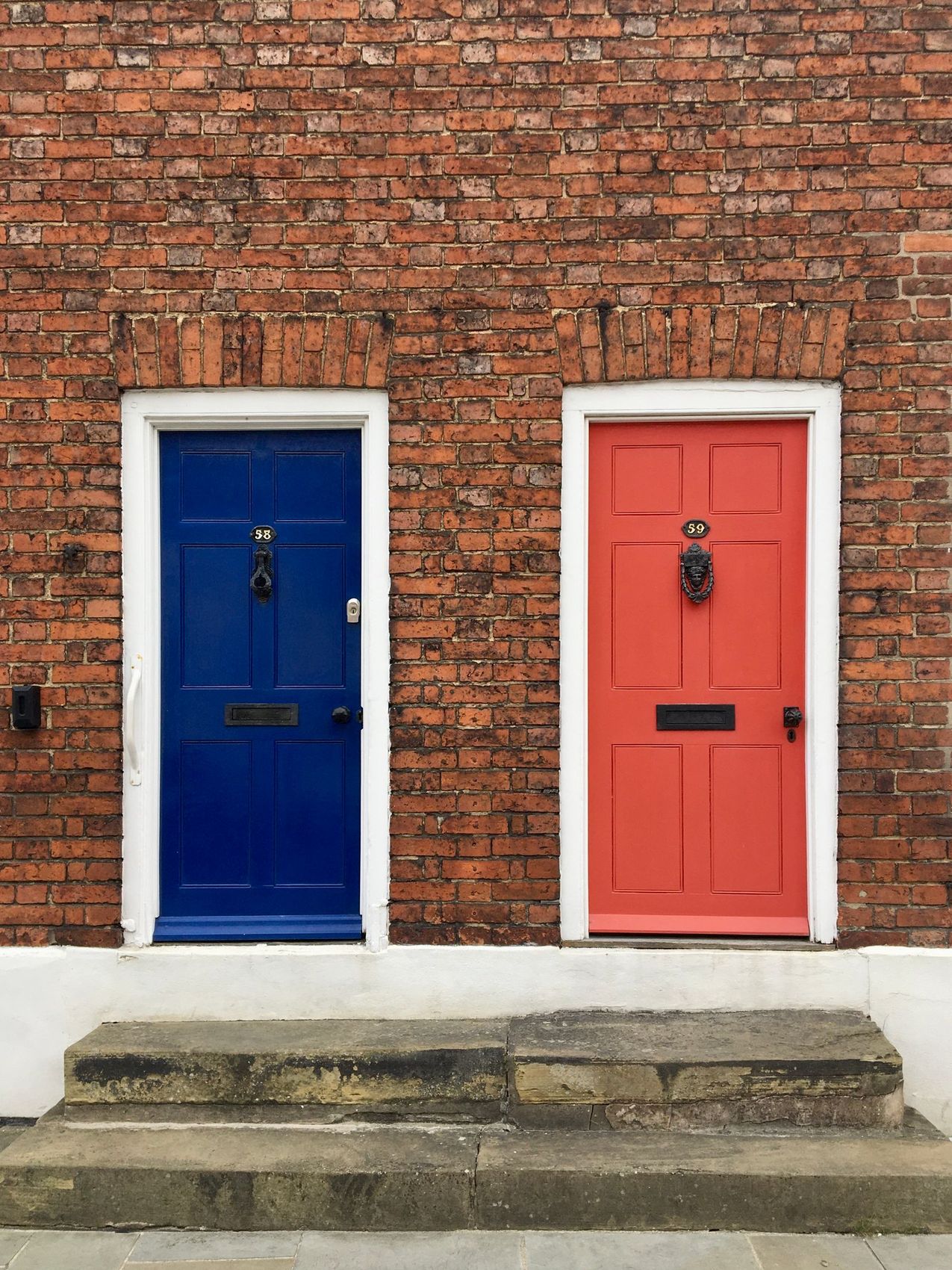
A welcoming first impression. A reassuring close. Find your new front or garden door.
Explore doorsMisted or damaged glazing? Ask about replacing just the glass in your existing frames.
Explore glass only
Create a little more living space, or make more of the conservatory you already have.
Explore conservatoriesFascias, soffits and guttering that give your home a clean finish and keep rain moving.
Explore roofline